
Skip to content
Ministry Manual
  • Browse
    • About the Manual
    • About NACM
    • FAQ
    • Return to Fellowship
  • Bible, People, Facts
    • Minister Summary of the Old Testament for Pastors
    • Minister Summary of the New Testament for Pastors
  • Theology
  • Ministerial Practice
  • Resources

Summary of the Old Testament

Browse the NACM Manual to Ministry, a living reference equipping Christian ministers with biblical foundations, doctrine, leadership, and ministry resources.


Books of the Old Testament

The Old Testament is the foundational record of God’s revelation, tracing His work from creation through covenant, law, kingship, prophecy, exile, and restoration. It reveals the character, holiness, justice, and faithfulness of God, while unfolding His redemptive purposes through the nation of Israel. These Scriptures form the theological and historical groundwork upon which the New Testament stands.

Across its books, the Old Testament presents God as Creator, Lawgiver, Judge, Redeemer, and Covenant Keeper. It records humanity’s fall into sin, God’s gracious initiative to call and form a people for Himself, and His enduring commitment to bless the nations through that people. The narrative repeatedly exposes human failure and divine faithfulness, showing that redemption is always rooted in God’s promise rather than human merit.

The Old Testament is not a single genre or voice, but a unified canon composed of law, history, poetry, wisdom, and prophecy. Each section contributes to a coherent testimony about God’s dealings with His people and His unfolding plan of salvation. The Law establishes covenant foundations. The historical books record Israel’s lived response to that covenant. Wisdom and poetry explore faith, suffering, worship, and the fear of the Lord. The prophets call God’s people to repentance, warn of judgment, and proclaim hope rooted in God’s future intervention.

For ministers, teachers, and students, the Old Testament is indispensable. It provides the context necessary to understand the gospel, the nature of covenant, the seriousness of sin, and the hope of restoration. Its promises, patterns, and prophecies prepare the reader for the coming of Christ and illuminate the continuity of God’s redemptive work.

Use this section as a reference guide to the books of the Old Testament, organized by their traditional divisions. Each book listed below contributes uniquely to the biblical narrative and together forms a unified witness to God’s purposes in history.

Summary of the Old Testament Books

The Old Testament is the first section of the Christian Bible and also holds significance in Judaism. It is a collection of sacred writings that include law, history, poetry, and prophecy, all revealing God’s covenant relationship with humanity. These books record God’s creation, His redemptive plan for Israel, and His promise of the coming Messiah. Below is a summary of each book and its central message.

1. Genesis: The book of Genesis describes the creation of the world, the origin of humanity, and the stories of key figures such as Adam and Eve, Noah, Abraham, Isaac, and Jacob. It records the fall of mankind and the beginning of God’s covenant with Abraham. The book emphasizes faith, obedience, and divine providence. It ends with Joseph’s leadership in Egypt, setting the stage for Israel’s deliverance.

2. Exodus: Exodus tells how God delivered the Israelites from slavery in Egypt under Moses’ leadership. It includes the ten plagues, the crossing of the Red Sea, and the giving of the Ten Commandments at Mount Sinai. The covenant relationship between God and His people is formally established. The construction of the tabernacle shows God’s desire to dwell among His people.

3. Leviticus: Leviticus provides detailed instructions on offerings, sacrifices, and priestly duties. It teaches holiness, purity, and obedience in worship and daily life. The book highlights the role of atonement in restoring fellowship with God. It shows that access to a holy God requires both sacrifice and sanctification.

4. Numbers: Numbers recounts the Israelites’ forty-year journey through the wilderness. It includes a census of the tribes, stories of rebellion, and lessons of faith and perseverance. The people’s disobedience delays their entry into the Promised Land. Yet God’s guidance through the pillar of cloud and fire shows His faithfulness despite their failures.

5. Deuteronomy: Deuteronomy contains Moses’ final speeches before Israel enters Canaan. It restates God’s laws and calls for renewed commitment to the covenant. The book emphasizes love for God, obedience, and remembrance of His past faithfulness. It ends with Moses’ death and a call for Israel to choose life and blessing through faithfulness.

6. Joshua: Joshua describes the conquest of Canaan and the fulfillment of God’s promise to give Israel the land. It highlights courage, obedience, and divine intervention in battles such as Jericho. The land is divided among the tribes as an inheritance. The book concludes with Joshua’s farewell and a renewed covenant commitment.

7. Judges: Judges records a repeated cycle of sin, oppression, repentance, and deliverance. God raises up leaders like Deborah, Gideon, and Samson to rescue Israel from its enemies. The book reveals the moral decline of Israel when “everyone did what was right in his own eyes.” It shows that God’s mercy continues even in times of disobedience.

8. Ruth: Ruth is a story of loyalty, faith, and redemption set during the time of the Judges. Ruth’s devotion to Naomi and her faith in Israel’s God lead to her marriage to Boaz. Through their union, God preserves the lineage that will bring forth King David. The book shows that God works through ordinary people to fulfill His covenant purposes.

9–10. 1–2 Samuel: 1 Samuel recounts Israel’s transition from judges to monarchy. It tells of Samuel’s prophetic ministry, Saul’s rise and fall, and David’s early years. The book contrasts obedience and disobedience to God’s commands. It teaches that leadership blessed by God must come from a heart of faith. 2 Samuel centers on King David’s reign over Israel. It includes his victories, his sin with Bathsheba, and his repentance. God establishes His covenant with David, promising an everlasting kingdom. The book highlights God’s mercy and justice in dealing with both sin and faithfulness.

11–12. 1–2 Kings: 1 Kings begins with Solomon’s rise to the throne and the building of the temple in Jerusalem. It records Solomon’s wisdom as well as his downfall through idolatry. After Solomon’s death, the kingdom divides into Israel and Judah. The book shows that faithfulness brings blessing, while disobedience leads to decline. 2 Kings continues the history of the divided kingdoms and the ministries of prophets such as Elijah and Elisha. It records the moral and spiritual decay of both nations. Despite repeated warnings, Israel falls to Assyria and Judah later to Babylon. The book ends with exile, demonstrating that God’s justice is sure but His promises endure.

13–14. 1–2 Chronicles: 1 Chronicles retells Israel’s history with focus on David’s reign and preparations for temple worship. It emphasizes the covenant with David and the importance of true worship. The genealogies link Israel’s identity to God’s faithfulness. The book inspires reverence for God’s presence among His people. 2 Chronicles continues with the reigns of Solomon and the kings of Judah. It highlights the central role of the temple and the consequences of obedience and apostasy. Prophets call the nation to repentance, but the people persist in rebellion. The book concludes with Judah’s fall and the hope of restoration under Cyrus.

15. Ezra: Ezra records the return of exiles from Babylon under Zerubbabel and later Ezra. It focuses on rebuilding the temple and restoring worship according to God’s Law. Ezra leads spiritual renewal through confession and teaching of Scripture. The book emphasizes holiness and separation from sin.

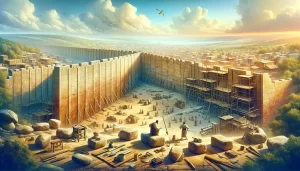
16. Nehemiah: Nehemiah tells how Jerusalem’s walls were rebuilt under Nehemiah’s leadership despite opposition. It also recounts a revival sparked by reading God’s Word. The people renew their covenant and restore true worship. The book shows how prayer and faith can overcome great challenges.

17. Esther: Esther tells the story of a Jewish queen in Persia who courageously intercedes to save her people from destruction. Though God’s name is not mentioned, His providence is evident throughout. The book celebrates deliverance and the establishment of the feast of Purim. It reminds readers that God protects His people even in exile.

18. Job: Job explores the mystery of suffering and God’s sovereignty. Job, a righteous man, endures severe trials yet remains faithful. Through his dialogue with friends and God’s final response, Job learns humility and trust. The book teaches that divine wisdom surpasses human understanding.

19. Psalms: Psalms is a collection of prayers, hymns, and praises expressing the full range of human emotion. It celebrates God’s greatness, mercy, and faithfulness. The book serves as Israel’s songbook and guide for worship. Many psalms also prophesy of the coming Messiah.

20. Proverbs: Proverbs contains short sayings of wisdom that guide godly living. It teaches moral integrity, diligence, and reverence for God. Wisdom is portrayed as both practical and spiritual. The book affirms that fearing the Lord is the foundation of all knowledge.

21. Ecclesiastes: Ecclesiastes examines the meaning of life from a human perspective. Its author observes that worldly pursuits are empty without God. The book concludes that true fulfillment comes from fearing God and keeping His commandments. It encourages perspective and humility in all things.

22. Song of Solomon: The Song of Solomon is a poetic dialogue celebrating love and marriage. It portrays the beauty of faithful affection between a bride and her beloved. The book also symbolizes God’s love for His people. It affirms that love is both pure and powerful when rooted in commitment.

23. Isaiah: Isaiah contains prophecies of judgment and restoration for Israel and the nations. It announces the coming of the Messiah, the suffering servant, and the future reign of peace. The book emphasizes God’s holiness and salvation through His promised Redeemer. It calls all people to trust in the Lord for deliverance.

24. Jeremiah: Jeremiah warns Judah of impending judgment for idolatry and injustice. He experiences rejection but continues to proclaim God’s truth. The book also promises a new covenant written on the hearts of God’s people. It portrays both the pain of sin and the hope of restoration.

25. Lamentations: Lamentations mourns the destruction of Jerusalem and the temple. It expresses deep sorrow over sin and its consequences. Yet amid grief, it declares God’s steadfast love and mercy. The book teaches repentance and trust in God’s unchanging faithfulness.

26. Ezekiel: Ezekiel records visions and messages given to Israel during exile. He proclaims God’s judgment on sin and promises future restoration. The vision of dry bones symbolizes national revival. The book ends with hope for a renewed temple and God’s everlasting presence.

27. Daniel: Daniel tells of faithfulness in exile and God’s sovereignty over kingdoms. It includes accounts of Daniel’s steadfastness in Babylon and apocalyptic visions of future empires. The book shows that God rules history and protects those who honor Him. It looks ahead to the coming of an eternal kingdom.

28. Hosea: Hosea’s marriage to an unfaithful wife illustrates Israel’s spiritual adultery. God calls His people to repentance and shows enduring love despite their sin. The book combines judgment with mercy. It reveals that God’s covenant love cannot be broken.

29. Joel: Joel describes a locust plague as a symbol of God’s judgment. He calls the people to repentance and promises spiritual renewal. God pledges to pour out His Spirit on all people, a prophecy fulfilled at Pentecost. The book emphasizes the coming day of the Lord.

30. Amos: Amos delivers a message of justice and righteousness to Israel. He condemns hypocrisy and oppression of the poor. The book teaches that genuine worship requires moral integrity. It ends with a promise of restoration for those who return to God.

31. Obadiah: Obadiah pronounces judgment on Edom for its pride and cruelty toward Judah. It declares that the day of the Lord will bring justice among the nations. The book is a reminder that God defends His people. It ends with the promise of His kingdom’s triumph.

32. Jonah: Jonah recounts the prophet’s flight from God’s command to preach to Nineveh. After being swallowed by a great fish, Jonah obeys and witnesses the city’s repentance. The book highlights God’s compassion and desire to save all people. It teaches mercy over pride and prejudice.

33. Micah: Micah warns of judgment against sin but promises hope through a coming ruler from Bethlehem. He calls for justice, mercy, and humility before God. The book foretells both punishment and restoration. It reminds Israel that true religion is shown in righteous living.

34. Nahum: Nahum announces the downfall of Nineveh, the capital of Assyria. It portrays God as just and powerful against oppression. The book comforts Judah by showing that God defends His people. It assures that evil nations will not prevail forever.

35. Habakkuk: Habakkuk questions why God allows injustice but learns that the righteous will live by faith. God reveals His control over nations and ultimate justice. The prophet ends with a hymn of trust despite hardship. The book teaches perseverance through faith.

36. Zephaniah: Zephaniah proclaims judgment on Judah and surrounding nations. He warns of the coming day of the Lord but also offers hope for restoration. The faithful are called to humility and repentance. The book ends with a promise of joy and renewal for God’s people.

37. Haggai: Haggai urges the returned exiles to rebuild the temple. He reminds them that obedience brings blessing and that God’s glory will fill His house again. The book encourages faithfulness in discouraging times. It points to the future glory of God’s kingdom.

38. Zechariah: Zechariah delivers visions of encouragement to the rebuilding community. He foretells the coming of the Messiah as both priest and king. The book emphasizes repentance, restoration, and hope. It reveals God’s plan to dwell among His people once more.

39. Malachi: Malachi confronts spiritual indifference among the returned exiles. He calls for sincere worship, faithful giving, and moral integrity. The book promises that the Lord will send a messenger to prepare the way. It closes the Old Testament with the expectation of the coming Messiah.

This summary provides a brief overview of the books and themes of the Old Testament, but it is important to note that each book contains many more stories, teachings, and insights.


Frequently Asked Questions About the Old Testament

How many books are in the Old Testament?

The Old Testament contains thirty nine books, traditionally grouped into the Law, Historical Books, Wisdom Literature, and the Prophets.

Why is the Old Testament important for Christians?

The Old Testament reveals God’s covenant faithfulness, establishes theological foundations, and anticipates the coming Messiah fulfilled in the New Testament.

What themes unify the Old Testament?

Creation, covenant, sin, judgment, mercy, redemption, and hope form a continuous theological thread throughout the Old Testament.

Is the Old Testament still authoritative for the Church?

Yes. Jesus and the apostles consistently affirmed the authority of the Old Testament Scriptures.

How should the Old Testament be read today?

It should be read in its historical context while recognizing its fulfillment within God’s redemptive plan.

The Church’s mission is outward-focused, grounded in the Great Commission (Matthew 28:18–20), calling believers to teach, disciple, and bear witness to the whole counsel of God.

Call to Action

This resource is provided in service to ministers and students connected with the National Association of Christian Ministers. Those seeking biblical training, ministerial resources, or ordination support are invited to learn more at https://nacministers.com/.


Illustration of creation and Abrahamic covenant themes representing the Book of Genesis.

Book of Genesis: A Ministerial Summary

The Book of Genesis: Foundations of Creation and Covenant One Sentence Memory Line Genesis reveals how God created the world, formed humanity in His image, judged sin, and began His redemptive plan through covenant promises to Abraham and his descendants. Historical Setting Genesis opens the biblical …


Read more

Email
Share
Tweet
Share
Pin
Flip
Categories Summary of the Old Testament
Moses leading Israel across the Red Sea during the Exodus.

Book of Exodus: A Ministerial Summary

The Book of Exodus: God’s Redemption and Covenant One Sentence Memory Line The book of Exodus reveals how God redeems His people from bondage, establishes His covenant with them, and forms Israel into a nation devoted to His worship and purposes. Historical Setting Exodus describes events …

Read more

Email
Share
Tweet
Share
Pin
Flip
Categories Summary of the Old Testament
Moses receiving divine instructions for sacrifice and holiness at the tabernacle.

Book of Leviticus: A Ministerial Summary

The Book of Leviticus: Holiness Before the Lord One Sentence Memory Line Leviticus teaches Israel how a holy God makes it possible for a sinful people to live in His presence through sacrifice, priesthood, and covenant obedience. Key Insight: The central concern of Leviticus is holiness. …

Read more

Email
Share
Tweet
Share
Pin
Flip
Categories Summary of the Old Testament
Israelites traveling through the wilderness under God's guidance during the events of the Book of Numbers.

Book of Numbers: A Ministerial Summary

The Book of Numbers: Wilderness Formation of Israel One Sentence Memory Line The Book of Numbers records how God disciplined, organized, and preserved Israel during forty years in the wilderness, transforming a redeemed people into a covenant community prepared to enter the Promised Land. Historical Setting …

Read more

Email
Share
Tweet
Share
Pin
Flip
Categories Summary of the Old Testament
Moses speaking to Israel on the plains of Moab before entering the Promised Land.

Book of Deuteronomy: A Ministerial Summary

Deuteronomy: Covenant Renewal Before the Promised Land One Sentence Memory Line Deuteronomy records Moses’ final sermons calling Israel to renew their covenant with God by remembering His faithfulness, obeying His law, and trusting Him as they prepare to enter the Promised Land. Historical Setting The book …

Read more

Email
Share
Tweet
Share
Pin
Flip
Categories Summary of the Old Testament
Joshua leading Israel across the Jordan River toward the Promised Land.

Book of Joshua: A Ministerial Summary

The Book of Joshua One Sentence Memory Line The book of Joshua records how the Lord fulfilled His promise by bringing Israel into the land of Canaan and calling His people to courageous faith, covenant obedience, and faithful leadership. Historical Setting The events of Joshua take …

Read more

Email
Share
Tweet
Share
Pin
Flip
Categories Summary of the Old Testament
Illustration of an Israelite judge leading people during the turbulent period described in the Book of Judges.

Book of Judges: A Ministerial Summary

The Book of Judges One Sentence Memory Line The Book of Judges reveals Israel’s repeated cycle of rebellion, oppression, repentance, and deliverance, demonstrating both the consequences of covenant unfaithfulness and the persistent mercy of God. Key Insight Judges illustrates a spiritual pattern that ministers still observe …

Read more

Email
Share
Tweet
Share
Pin
Flip
Categories Summary of the Old Testament
Ruth gleaning barley in the fields of Bethlehem during harvest under the watch of Boaz.

Book of Ruth: A Ministerial Bible Summary

The Book of Ruth One Sentence Memory Line The book of Ruth reveals how God’s quiet providence works through ordinary faithfulness, transforming personal loss into redemption that ultimately contributes to the lineage of King David and the Messiah. Historical Setting The narrative of Ruth occurs during …

Read more

Email
Share
Tweet
Share
Pin
Flip
Categories Summary of the Old Testament
Prophet Samuel Anointing King David.

Books of 1 and 2 Samuel: A Ministerial Summary

1 and 2 Samuel: Rise of Israel’s Monarchy One Sentence Memory Line 1 and 2 Samuel recount how God transitions Israel from tribal leadership under judges to a unified monarchy, revealing both the promise and peril of kingship through the lives of Samuel, Saul, and David. …

Read more

Email
Share
Tweet
Share
Pin
Flip
Categories Summary of the Old Testament
Jewish exiles returning to Jerusalem to rebuild the temple during the time of Ezra.

Book of Ezra: A Ministerial Summary

Ezra: The Return and Restoration of God’s People One Sentence Memory Line The book of Ezra records how God faithfully restored His people from exile, rebuilt the temple in Jerusalem, and renewed covenant obedience through the leadership of Ezra the scribe. Historical Setting The events of …

Read more

Email
Share
Tweet
Share
Pin
Flip
Categories Summary of the Old Testament
Illustration of Nehemiah overseeing the rebuilding of Jerusalem’s walls after the exile.

Book of Nehemiah: A Ministerial Summary

Rebuilding the People of God One Sentence Memory Line The Book of Nehemiah records how God used a faithful leader to rebuild Jerusalem’s walls, restore covenant faithfulness, and renew the spiritual life of His people after exile. Historical Setting Nehemiah takes place during the Persian period …

Read more

Email
Share
Tweet
Share
Pin
Flip
Categories Summary of the Old Testament
Queen Esther courageously approaching King Ahasuerus in the Persian royal court.

Book of Esther: A Ministerial Summary

God’s Hidden Providence One Sentence Memory Line God sovereignly preserves His covenant people through hidden providence as a Jewish queen risks her life to thwart a genocidal plot within the Persian Empire. Historical Setting The events of Esther occur during the Persian period after the Babylonian …

Read more

Email
Share
Tweet
Share
Pin
Flip
Categories Summary of the Old Testament
Job sitting in suffering while remaining faithful to God.

Book of Job: A Ministerial Summary

Faithfulness in the Mystery of Suffering One Sentence Memory Line The Book of Job reveals that suffering is not always the result of personal sin and that faithful trust in God can endure even when divine purposes remain hidden. Historical Setting The Book of Job is …

Read more

Email
Share
Tweet
Share
Pin
Flip
Categories Summary of the Old Testament
Ancient scroll of the Psalms representing biblical worship, prayer, and praise in Israel's hymnbook.

Book of Psalms: A Ministerial Summary

One Sentence Memory Line The Book of Psalms is the inspired hymnbook of Israel that teaches the people of God how to worship, lament, trust, and hope in the Lord while pointing ultimately to the reign of the Messiah. Key Insight: The Psalms do not merely …

Read more

Email
Share
Tweet
Share
Pin
Flip
Categories Summary of the Old Testament
Ancient scroll representing the biblical book of Proverbs and wisdom literature.

Book of Proverbs: A Ministerial Summary

Wisdom for Life Under God One Sentence Memory Line The Book of Proverbs teaches that true wisdom begins with the fear of the Lord and guides God’s people to live skillfully, righteously, and prudently in every area of life. Historical Setting The Book of Proverbs emerged …

Read more

Email
Share
Tweet
Share
Pin
Flip
Categories Summary of the Old Testament
Ancient scroll of Ecclesiastes beside lamp representing wisdom and reflection.

Book of Ecclesiastes: A Ministerial Summary

Wisdom on Life Under the Sun One Sentence Memory Line Ecclesiastes teaches that life pursued apart from the fear of God is ultimately empty, yet life received as God’s gift becomes meaningful when lived in reverence, wisdom, and obedience. Historical Setting Ecclesiastes is traditionally associated with …

Read more

Email
Share
Tweet
Share
Pin
Flip
Categories Summary of the Old Testament
Biblical era bride and groom in a vineyard landscape representing the Song of Solomon.

Song of Solomon: A Ministerial Summary

Teaching Guide One Sentence Memory Line The Song of Solomon celebrates the beauty of covenant love between a husband and wife while also illustrating the deeper spiritual pattern of faithful love that ultimately reflects God’s relationship with His people. Historical Setting The Song of Solomon, also …

Read more

Email
Share
Tweet
Share
Pin
Flip
Categories Summary of the Old Testament
Prophet Isaiah receiving a vision of God’s holiness in the temple.

Book of Isaiah: A Ministerial Summary

One Sentence Memory Line Isaiah proclaims God’s holiness, judges human sin, and reveals the coming Servant King who brings salvation to Israel and the nations. Historical Setting The book of Isaiah emerges from the turbulent political and spiritual climate of the eighth century B.C., a period …

Read more

Email
Share
Tweet
Share
Pin
Flip
Categories Summary of the Old Testament
Prophet Jeremiah delivering God’s warning to Judah before the Babylonian exile.

Book of Jeremiah: A Ministerial Summary

One Sentence Memory Line Jeremiah proclaims God’s righteous judgment on persistent covenant unfaithfulness while revealing a coming new covenant grounded in internal transformation and enduring hope. Historical Setting The ministry of Jeremiah unfolds during one of the most volatile periods in Judah’s history, spanning roughly 627 …

Read more

Email
Share
Tweet
Share
Pin
Flip
Categories Summary of the Old Testament
Destruction of Jerusalem with a grieving figure overlooking the ruins.

Book of Lamentations: A Ministerial Summary

A Ministerial Guide to Sacred Grief One Sentence Memory Line Lamentations teaches ministers how to grieve faithfully before God, holding sorrow and hope together under divine judgment and covenant mercy. Historical Setting The book of Lamentations emerges from the ashes of Jerusalem’s destruction in 586 BC …

Read more

Email
Share
Tweet
Share
Pin
Flip
Categories Summary of the Old Testament
Prophet Ezekiel witnessing the valley of dry bones coming to life.

Book of Ezekiel: A Ministerial Summary

One Sentence Memory Line Ezekiel reveals the holiness of God in judgment and restoration, calling a rebellious people to recognize that the Lord alone is God. Historical Setting The book of Ezekiel emerges from one of the most disorienting seasons in Israel’s history, the Babylonian exile. …

Read more

Email
Share
Tweet
Share
Pin
Flip
Categories Summary of the Old Testament
Daniel praying in Babylonian exile with city backdrop.

Book of Daniel: A Ministerial Summary

Faithfulness Under Foreign Kings One Sentence Memory Line Daniel reveals how God sovereignly rules over earthly kingdoms while calling His people to faithful endurance in exile. Historical Setting The Book of Daniel unfolds during the Babylonian exile, beginning around 605 BC when King Nebuchadnezzar deported Jewish …

Read more

Email
Share
Tweet
Share
Pin
Flip
Categories Summary of the Old Testament
Prophet Hosea depicting God’s faithful love toward unfaithful Israel.

Book of Hosea: A Ministerial Summary

Covenant Love in the Face of Unfaithfulness One Sentence Memory Line Hosea reveals that God’s covenant love persists even when His people repeatedly break faith, calling them to repentance and restoration. Historical Setting The book of Hosea emerges during the eighth century B.C., a turbulent period …

Read more

Email
Share
Tweet
Share
Pin
Flip
Categories Summary of the Old Testament
Prophet Joel warning Judah about the Day of the Lord during a locust plague.

Book of Joel: A Ministerial Summary

One Sentence Memory Line Joel calls God’s people to repentance in light of present judgment and future restoration, revealing that the Day of the Lord brings both devastation and hope. Historical Setting The historical setting of Joel remains debated, largely because the book provides minimal explicit …

Read more

Email
Share
Tweet
Share
Pin
Flip
Categories Summary of the Old Testament
speaking judgment over Israel in an ancient setting.

Book of Amos: A Ministerial Summary

One Sentence Memory Line Amos declares that God’s justice exposes religious hypocrisy and demands righteous living rooted in covenant faithfulness. Historical Setting The book of Amos is set during the reigns of Uzziah king of Judah and Jeroboam II king of Israel, around the mid eighth …

Read more

Email
Share
Tweet
Share
Pin
Flip
Categories Summary of the Old Testament
Ancient Edom cliffs overlooking desert with symbolic contrast of judgment and hope for Zion.

Book of Obadiah: A Ministerial Summary

Obadiah: Judgment on Pride, Hope for Zion One Sentence Memory Line God opposes prideful nations, especially those who betray His people, and promises final restoration and victory to His covenant community. Historical Setting The book of Obadiah emerges from a moment of national humiliation for Judah, …

Read more

Email
Share
Tweet
Share
Pin
Flip
Categories Summary of the Old Testament
Prophet Jonah being swallowed by a great fish in the sea during a storm.

Book of Jonah: A Ministerial Summary

The Book of Jonah: Mercy Beyond Boundaries One Sentence Memory Line God’s sovereign mercy extends beyond Israel, confronting both rebellious sinners and reluctant servants with His compassionate purpose. Historical Setting The book of Jonah is set during the eighth century BC, a period marked by the …

Read more

Email
Share
Tweet
Share
Pin
Flip
Categories Summary of the Old Testament
Prophet Micah proclaiming judgment and messianic hope over ancient Israel landscape.

Book of Micah: A Ministerial Summary

One Sentence Memory Line Micah confronts covenant unfaithfulness with divine judgment while proclaiming future restoration through a righteous ruler from Bethlehem. Historical Setting Micah ministered during the eighth century BC, overlapping with the reigns of Jotham, Ahaz, and Hezekiah in Judah. His prophetic voice arose in …

Read more

Email
Share
Tweet
Share
Pin
Flip
Categories Summary of the Old Testament
Ancient Nineveh under judgment symbolizing God’s justice in Nahum.

Book of Nahum: A Ministerial Summary

Judgment and Divine Justice One Sentence Memory Line Nahum declares that the Lord will decisively judge Nineveh, revealing His justice, sovereignty, and faithfulness to defend His people. Historical Setting The book of Nahum is set in the seventh century B.C., during the height of Assyrian dominance. …

Read more

Email
Share
Tweet
Share
Pin
Flip
Categories Summary of the Old Testament
Prophet Habakkuk praying as Babylon rises and Judah faces judgment.

Book of Habakkuk: A Ministerial Summary

Faith in God Amid Troubled Times One Sentence Memory Line Habakkuk teaches that the righteous must trust God’s justice and sovereignty even when His ways seem confusing and His timing delayed. Historical Setting Habakkuk ministered during the late seventh century B.C., at a moment when Judah …

Read more

Email
Share
Tweet
Share
Pin
Flip
Categories Summary of the Old Testament
Prophet Zephaniah declaring the Day of the Lord over ancient Judah.

Book of Zephaniah: A Ministerial Summary

Judgment, Purification, and Hope Restored One Sentence Memory Line The book of Zephaniah proclaims the coming Day of the Lord as both devastating judgment and gracious restoration, calling God’s people to humble repentance and confident hope in His saving presence. Historical Setting Zephaniah ministered during the …

Read more

Email
Share
Tweet
Share
Pin
Flip
Categories Summary of the Old Testament
Ancient Jewish workers rebuilding the temple in Jerusalem during Haggai’s time.

Book of Haggai: A Ministerial Summary

Rebuilding What God Restores One Sentence Memory Line Haggai calls God’s people to reorder their priorities, rebuild His house, and trust that obedience restores both worship and blessing. Historical Setting The Book of Haggai is set in the post-exilic period around 520 B.C., during the reign …

Read more

Email
Share
Tweet
Share
Pin
Flip
Categories Summary of the Old Testament
Zechariah receiving visions of the restored temple and coming Messiah in Jerusalem.

Book of Zechariah: A Ministerial Summary

One Sentence Memory Line Zechariah calls God’s people to repentance and faith by revealing that restoration, righteousness, and the coming King are secured by the Lord Himself. Historical Setting The book of Zechariah is set during the post-exilic period, around 520 to 518 BC, when the …

Read more

Email
Share
Tweet
Share
Pin
Flip
Categories Summary of the Old Testament
Prophet Malachi delivering message near Second Temple in Jerusalem.

Book of Malachi: A Ministerial Summary

A Final Call to Covenant Faithfulness One Sentence Memory Line Malachi confronts spiritual complacency and calls God’s people back to covenant faithfulness while pointing forward to the coming messenger who prepares the way of the Lord. Historical Setting Malachi speaks into the quiet disappointment of post-exilic …

Read more

Email
Share
Tweet
Share
Pin
Flip
Categories Summary of the Old Testament

“To equip the saints for the work of ministry, for building up the body of Christ”  (Eph 4:12).

This is the official Manual to Ministry of the National Association of Christian Ministers.  Articles are added weekly.

Nothing on this site is offered for sale, profit, donation, or advertised.  This Publication is offered to the public for free to encourage the academic study of Christianity (2 Tim. 2:15).

Our statement of faith is located here.

National Association of Christian Ministers.  US Registered Service Mark.  All Rights Reserved. Copyright 2024.

What is the National Association of Christian Ministers?

A professional association of Christian Ministers with the vision to answer His call to Advance the Gospel and Unite the Body of Christ (John 17:23).  Learn more at https://nacministers.com/

© 2026 Ministry Manual • Built with GeneratePress

Copyright Notice.

All Rights Reserved.

All material appearing on the Ministry Manual website ("content") is protected by copyright under U.S. Copyright laws and is the property of Ministry Manual. You may not copy, reproduce, distribute, publish, display, perform, modify, create derivative works, transmit, or in any way exploit any such content, nor may you distribute any part of this content over any network, including a local area network, sell or offer it for sale, or use such content to construct any kind of database.