One Sentence Memory Line
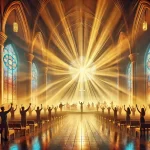
The Book of Psalms is the inspired hymnbook of Israel that teaches the people of God how to worship, lament, trust, and hope in the Lord while pointing ultimately to the reign of the Messiah.
Key Insight: The Psalms do not merely record Israel’s worship. They train the people of God to bring every human emotion before the throne of God in faith.
Historical Setting
The Book of Psalms developed over several centuries of Israel’s history. Many of the earliest psalms were composed during the monarchy of Israel, particularly during the reign of King David around 1000 BC. Other psalms reflect later periods, including the reign of Solomon, the divided kingdom, the exile in Babylon, and the post exile restoration. Because of this long development, the Psalter reflects the full spiritual experience of the covenant people across generations.
David is the most prominent human author, traditionally associated with seventy three psalms. Other contributors include Asaph, the sons of Korah, Solomon, Moses, Ethan the Ezrahite, and Heman. Many psalms remain anonymous. The collection was eventually organized into a structured book used in Israel’s worship life at the temple.
Canonical Placement
In the Hebrew Bible, Psalms appears within the section called the Writings, or Ketuvim. Within the Christian Old Testament, it stands among the Wisdom and Poetry books. Its placement reflects its dual function. Psalms is poetry that expresses personal devotion, yet it also conveys profound theological instruction about God, humanity, covenant, kingship, suffering, and hope.
Redemptive History Placement
The Psalms emerge during the period of Israel’s national kingdom, but their theological vision stretches far beyond the historical monarchy. Many psalms anticipate the coming of the ultimate Davidic King. In this way, the Psalter becomes a prophetic voice within Israel’s worship life. It reminds the people of God’s covenant promises while cultivating expectation for a future Messiah.
Covenant Context
The Psalms operate within the framework of the Abrahamic and Davidic covenants. God’s promise to bless the nations through Abraham and to establish an eternal throne through David forms the theological backdrop for many psalms. The covenant relationship between God and His people shapes the language of praise, confession, lament, and hope that fills the book.
Purpose of the Book
The primary purpose of the Book of Psalms is to instruct the people of God in faithful worship. The psalms give voice to the full range of human experience before God. Joy, sorrow, gratitude, fear, repentance, and confidence are all expressed in prayer and song.
For ministers, the Psalms serve as a pastoral training ground. They demonstrate how theology becomes prayer, how doctrine becomes worship, and how faith responds to suffering and triumph alike.
Central Message
The central message of the Psalms is that the Lord reigns as the righteous and faithful King, worthy of worship, trust, and obedience. Throughout every circumstance of life, the people of God are called to seek Him, praise Him, and rest in His covenant faithfulness.
Major Themes
The Kingship of God: The Psalms repeatedly proclaim that the Lord reigns over creation and history.
Worship and Praise: Many psalms call the people of God to celebrate His greatness and faithfulness.
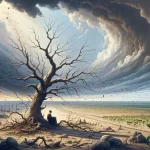
Lament and Suffering: A significant portion of the Psalter teaches believers how to cry out to God in distress.
Messianic Expectation: Several psalms anticipate the coming Davidic King who will establish God’s righteous rule.
The Way of the Righteous: Wisdom themes appear throughout the book, contrasting the path of the righteous and the wicked.
Literary Genre
The Psalms are Hebrew poetry. Rather than rhyme, Hebrew poetry relies on parallelism, repetition of ideas in balanced lines. The Psalter contains several sub genres, including praise psalms, lament psalms, thanksgiving psalms, royal psalms, wisdom psalms, and imprecatory psalms.
Doctrinal Definition: The term Psalter refers to the collected book of inspired psalms used in the worship life of God’s covenant people.
Literary Structure
The Book of Psalms is arranged into five major sections that mirror the five books of Moses. This structure likely emphasizes that the Psalter functions as a guide for covenant life and worship.
The five divisions are traditionally identified as:
- Book One: Psalms 1 to 41
- Book Two: Psalms 42 to 72
- Book Three: Psalms 73 to 89
- Book Four: Psalms 90 to 106
- Book Five: Psalms 107 to 150
Structural Outline
- Introduction to the righteous life: Psalms 1 and 2
- Davidic kingship and covenant hope
- National lament and crisis
- God’s eternal kingship
- Universal praise and restoration
Major Characters or Figures
God Himself stands as the central figure throughout the Psalter. Human figures appear primarily as worshipers, kings, or representatives of the covenant community. David serves as the most prominent historical voice within the book, while the coming Messiah appears prophetically within several psalms.
Major Events
Unlike narrative books, Psalms does not recount events in chronological order. Instead, it reflects many historical experiences such as personal persecution, national crisis, exile, deliverance, royal coronations, and temple worship.
Key Verses
“The Lord is my shepherd; I shall not want.” Psalm 23:1 (ESV)
“The heavens declare the glory of God, and the sky above proclaims his handiwork.” Psalm 19:1 (ESV)
“Your word is a lamp to my feet and a light to my path.” Psalm 119:105 (ESV)
Christological Connection
The Psalms contain numerous passages that point forward to Jesus Christ. Psalm 2 anticipates the Messiah as the Son and King of God’s kingdom. Psalm 22 describes suffering that foreshadows the crucifixion. Psalm 110 presents the Messiah as both King and Priest.
The New Testament frequently quotes the Psalms in reference to Christ. Jesus Himself quoted from the Psalter repeatedly, particularly during His suffering on the cross.
Biblical Theology Contribution
The Psalms teach believers how theology shapes devotion. They connect covenant promises, divine kingship, and human worship in a unified vision of life before God. The Psalter also deepens the Bible’s theology of suffering, repentance, and hope.
Canonical Connections
Themes introduced in the Psalms appear throughout Scripture. Wisdom themes connect with Proverbs and Job. Royal psalms anticipate the promises found in Samuel and Kings. Messianic passages are fulfilled in the Gospels and interpreted in the Epistles.
Doctrinal Significance
The Psalms contribute to several central doctrines including the sovereignty of God, the sinfulness of humanity, the necessity of repentance, the faithfulness of God’s covenant promises, and the coming reign of the Messiah.
Teaching Outline for Ministry
- The righteous and the wicked
- God’s covenant kingship
- Prayer in suffering
- The hope of the Messiah
- Universal praise of God
Ministry Leadership Insight
The Psalms remind ministers that faithful leadership requires both doctrinal clarity and spiritual honesty. Leaders must model authentic prayer and dependence upon God, particularly during hardship.
Ministry and Life Application
For pastors and ministers, the Psalms offer a pastoral resource for preaching, counseling, and personal devotion. They teach believers that worship is not limited to moments of joy. Faithful worship includes confession, lament, gratitude, and praise.
Common Misinterpretations or Debates
Some readers misunderstand the imprecatory psalms as expressions of personal vengeance. Within their covenant context, these prayers represent appeals for God’s justice rather than personal retaliation. Others debate the exact authorship of certain psalms, yet the theological message of the Psalter remains clear regardless of individual attribution.
Teaching Keywords
Worship, covenant faithfulness, lament, praise, kingship, righteousness, Messiah, prayer, trust, repentance.
Summary Paragraph
The Book of Psalms stands as the inspired prayer book of the people of God. Across its one hundred fifty psalms, believers learn to worship the Lord with honesty, humility, and hope. The Psalter teaches that every human experience may be brought before God in prayer and song. Ultimately, it directs the reader toward the reign of the Messiah and the universal praise that belongs to the Lord alone.
Sources
Boyd, G. A., & Eddy, P. R. (2009). Across the Spectrum: Understanding Issues in Evangelical Theology. Baker Academic.
Boyce, J. P. (1887). Abstract of Systematic Theology. American Baptist Publication Society.
Easton, M. G. (1897). Easton’s Bible Dictionary. Harper and Brothers.
The Holy Bible, English Standard Version. (2016). Crossway.
Vine, W. E. (1940). Vine’s Expository Dictionary of Old and New Testament Words. Fleming H. Revell Company.
Willmington, H. L. (1981). Willmington’s Guide to the Bible. Tyndale House.