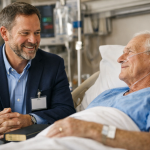
An Evangelical Guide to Hospital Visitation
Hospital visitation for ministers remains one of the most sacred yet misunderstood responsibilities entrusted to Evangelical ministers. It stands at the intersection of pastoral theology, incarnational ministry, and practical discipleship. In a culture increasingly dominated by digital communication and institutional efficiency, the simple act of physically entering spaces of suffering reflects the embodied nature of the gospel itself. Ministers who understand hospital visitation merely as a duty or ceremonial expectation risk missing its profound theological depth. Scripture consistently reveals that God meets His people in moments of weakness, affliction, and mortality. The minister, therefore, does not merely bring comfort but participates in a redemptive witness that demonstrates Christ’s nearness to the brokenhearted. Hospital visitation functions not only as pastoral care but also as a living proclamation of hope rooted in the resurrection. When exercised with theological clarity and spiritual sensitivity, it becomes a formative experience for both the patient and the minister. This guide seeks to construct an Evangelical framework that integrates doctrinal conviction, pastoral wisdom, and missional intentionality within the practice of hospital visitation for ministers.
Apply Incarnational Theology in Hospital Visitation for Ministers
Hospital visitation must be grounded first in the doctrine of the incarnation. The eternal Son of God did not redeem humanity from a distance but entered fully into human frailty and suffering. Ministers who step into hospital rooms reflect this theological pattern by embodying gospel compassion through physical presence. This presence communicates theological truths that words alone cannot convey. Patients often experience fear, vulnerability, and existential uncertainty, which create fertile ground for spiritual reflection. The minister’s calm demeanor and attentive listening become instruments through which divine consolation is mediated. Evangelical theology affirms that God adapts His revelation to human finitude without compromising truth, thereby demonstrating His willingness to engage human weakness directly. Hospital visitation becomes a practical extension of this adaptive revelation. Ministers who recognize this dynamic avoid superficial interactions and instead cultivate intentional moments of spiritual encounter. Such visits remind believers that suffering does not place them outside the scope of God’s covenant care.
Ground Hospital Visitation for Ministers in Biblical Exegesis
An Evangelical guide to hospital visitation must rest upon careful biblical exegesis rather than sentimental tradition. Sound exegesis seeks to discern the author intended meaning of Scripture through disciplined hermeneutical method. When ministers interpret passages concerning suffering, healing, and divine comfort responsibly, they avoid theological distortions that may harm vulnerable patients. The Psalms provide language for lament, trust, and renewed hope, while the Gospels portray Christ’s compassionate engagement with the sick. Pauline epistles further clarify that suffering can function within God’s sanctifying purposes. Ministers must therefore present comfort that is both tender and doctrinally robust. The hospital setting requires theological precision because patients may wrestle with questions regarding divine sovereignty, personal sin, or the meaning of mortality. By grounding pastoral counsel in faithful exegesis, ministers offer guidance that withstands emotional turbulence. This approach transforms visitation from mere encouragement into a moment of theological formation.
Practice Servant Leadership in Hospital Visitation for Ministers
Hospital visitation also reveals the nature of pastoral authority within Evangelical ecclesiology. Ministers enter the hospital not as institutional representatives but as servant leaders who equip believers to persevere in faith. Leadership involves guiding individuals toward shared spiritual vision, particularly when circumstances obscure that vision. In the hospital context, this guidance often involves helping patients interpret their experiences within the broader narrative of redemption. Ministers must resist the temptation to dominate conversations or provide simplistic assurances. Instead, they cultivate environments where patients articulate fears and express spiritual longings. Servant leadership requires humility, patience, and emotional intelligence. It also involves recognizing the presence of family members whose spiritual needs may be equally urgent. Through such leadership, the hospital room becomes an extension of the church’s discipleship ministry. The minister thus equips believers to witness to Christ even amid physical decline.
Interpret Suffering Carefully During Hospital Visitation for Ministers
One of the most demanding aspects of hospital visitation involves interpreting suffering without presuming to explain divine mysteries fully. Evangelical theology affirms both God’s sovereignty and human limitation in comprehending providence. Ministers must therefore avoid presenting suffering as punishment or offering speculative explanations that exceed scriptural warrant. Instead, they clarify biblical themes such as perseverance, sanctification, and the hope of resurrection. The minister’s role includes helping patients distinguish between emotional despair and theological truth. By framing illness within the broader doctrine of the fall and redemption, visitation becomes a moment of doctrinal instruction. This instruction must remain sensitive to the patient’s condition and capacity for engagement. Pastoral wisdom discerns when silence communicates more effectively than prolonged discourse. Such discernment reflects spiritual maturity shaped by prayer and theological reflection. Ultimately, the minister points sufferers toward the faithfulness of God rather than toward human solutions. Pray that the Holy Spirit will give you the wisdom you need to minister to the suffering.
Lead Prayer Effectively in Hospital Visitation for Ministers
Prayer constitutes the central spiritual act of hospital visitation. Evangelical ministers approach prayer not as ritual performance but as participatory intercession grounded in Christ’s mediatorial work. When ministers pray with patients, they model trust in God’s active presence and invite patients to align their hearts with divine purposes. Intercessory prayer often includes petitions for healing, endurance, wisdom for medical decisions, and peace for families. However, ministers must also teach that unanswered prayers do not signify divine abandonment. Prayer becomes formative as patients learn to entrust themselves to God’s will. Ministers who pray Scripture aloud provide theological content that anchors emotional experience. The hospital environment frequently strips away superficial religiosity, allowing prayer to assume profound existential significance. Through prayer, visitation moves beyond conversation into shared communion with God. This dynamic reinforces the Evangelical conviction that ministry operates through dependence upon divine grace.
Engage the Mission Field Through Hospital Visitation for Ministers
Hospital visitation possesses significant missional implications often overlooked in pastoral training. Hospitals gather individuals from diverse cultural, denominational, and spiritual backgrounds. Ministers who recognize this reality approach visitation with evangelistic sensitivity while maintaining respect for institutional policies and patient autonomy. Conversations about faith frequently arise naturally when patients confront mortality. The minister’s task involves presenting the gospel clearly without coercion or opportunism. Evangelical mission emphasizes outward movement into everyday spaces rather than confinement within church buildings. Hospital rooms therefore become legitimate mission fields where the love of Christ is demonstrated through compassionate presence. Ministers who cultivate relationships with medical staff and chaplaincy teams extend the church’s witness within healthcare systems. Such engagement reflects the Great Commission’s call to disciple all nations by entering the contexts where people live and suffer. Hospital visitation thus integrates pastoral care and evangelistic mission within a unified ministry framework.
Maintain Ethical Boundaries in Hospital Visitation for Ministers
Effective hospital visitation requires careful attention to ethical boundaries. Ministers must respect patient confidentiality, medical authority, and institutional regulations. Evangelical commitment to truthfulness and integrity demands that ministers avoid giving medical advice beyond their competence. They must also recognize the emotional vulnerability of patients, which necessitates sensitivity in theological discussion. Spiritual discernment enables ministers to perceive when a visit should be brief, when extended conversation is appropriate, and when follow up care is needed. Family dynamics often complicate hospital situations, requiring ministers to navigate tensions without assuming partisan roles. Ethical visitation also involves self awareness, as ministers may project personal fears or unresolved grief onto patients. Regular pastoral reflection and accountability help prevent such distortions. By maintaining ethical clarity, ministers preserve the credibility of their witness. This integrity strengthens trust between the church and the broader community.
Allow Hospital Visitation for Ministers to Shape Spiritual Formation
Hospital visitation shapes ministers as profoundly as it serves patients. Encounters with suffering, terminal illness, and death confront ministers with their own theological convictions and existential limitations. These experiences refine pastoral empathy and deepen reliance upon Scripture. Ministers often discover that academic theology becomes intensely practical within hospital corridors. Observing faithful believers endure hardship can strengthen ministerial resolve and spiritual maturity. Conversely, witnessing despair may prompt renewed commitment to gospel proclamation. Such encounters remind ministers that their calling involves shepherding souls rather than managing programs. Hospital visitation therefore functions as a spiritual discipline that cultivates humility and perseverance. Ministers who embrace this formative dimension avoid burnout by grounding their service in divine vocation. Through repeated exposure to human fragility, they learn to minister with both urgency and hope.
Integrate Hospital Visitation for Ministers into Church Discipleship
Hospital visitation should not remain an isolated pastoral activity but must be integrated into the church’s broader discipleship culture. Evangelical congregations can be equipped to participate in visitation ministries through training, prayer support, and coordinated care networks. Such participation reinforces the doctrine of the priesthood of all believers. When lay members engage in appropriate visitation, they embody communal responsibility for spiritual care. Ministers function as equippers who model theological and pastoral practices for others to emulate. This collaborative approach prevents pastoral overload while strengthening congregational unity. Churches that prioritize visitation cultivate reputations for compassion within their communities. Over time, these ministries create pathways for evangelistic relationships and long term discipleship. By embedding hospital visitation within the church’s mission, ministers ensure that care for the suffering reflects the collective witness of the Body of Christ.
Frequently Asked Questions About Hospital Visitation for Ministers
1. What is the primary purpose of hospital visitation for ministers?
The primary purpose of hospital visitation for ministers is to provide spiritual care, embody Christlike presence, and offer biblical encouragement during times of suffering.
2. How long should a hospital visit typically last?
A hospital visit should be brief and sensitive to the patient’s condition, often lasting between 10 to 20 minutes unless circumstances allow for longer engagement.
3. What should ministers say during hospital visitation?
Ministers should speak with clarity, compassion, and biblical truth, focusing on encouragement, prayer, and listening rather than lengthy instruction.
4. Is prayer necessary during every hospital visit?
Prayer is central to hospital visitation for ministers and should be included whenever appropriate, as it invites God’s presence into the situation.
5. How can churches support hospital visitation ministry?
Churches can support hospital visitation by training members, organizing care teams, and maintaining consistent follow up with patients and families.