Introduction to the Lord’s Supper
Communion, also called the Lord’s Supper, stands at the theological and pastoral center of Christian ministry. Instituted by the Lord Jesus Christ on the night He was betrayed, this sacred ordinance embodies the gospel in visible form. It unites proclamation, remembrance, covenant renewal, and eschatological hope in a single act of worship. For ministers, communion is not a peripheral ritual but a theological event that shapes the identity and mission of the church. It demands careful exegesis, doctrinal clarity, and pastoral wisdom.
Evangelical theology affirms the inerrancy of Scripture and seeks the author intended meaning of biblical texts. Therefore, the doctrine and practice of communion must be grounded in the biblical witness rather than later speculation or mere tradition. From the Synoptic Gospels to Paul’s epistles, the Lord’s Supper is presented as both memorial and participation, both proclamation and anticipation.
This article develops a comprehensive framework for ministers by examining the biblical foundations, theological significance, covenantal structure, ecclesial implications, ethical demands, and pastoral administration of communion. In doing so, it draws from classical Evangelical resources such as James P. Boyce’s Abstract of Systematic Theology and R. A. Torrey’s What the Bible Teaches to reinforce doctrinal continuity within historic orthodoxy. The aim is to equip ministers to administer the Lord’s Table faithfully, reverently, and missionally.
Biblical Foundations of the Lord’s Supper
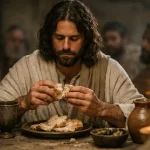
The institution narratives appear in Matthew 26:26-29, Mark 14:22-25, Luke 22:19-20, and 1 Corinthians 11:23-26. Each account situates the meal within the context of Passover. Jesus takes bread, gives thanks, breaks it, and identifies it with His body. He then takes the cup and identifies it as His blood of the covenant, poured out for many for the forgiveness of sins.
Paul’s account in 1 Corinthians 11 emphasizes that he received this tradition from the Lord, reinforcing its apostolic authority. The command, “Do this in remembrance of me,” establishes the ordinance as perpetual until Christ returns. The Supper is therefore not an optional devotional practice but a commanded act of covenant obedience.
The Passover setting is crucial. Just as Israel remembered redemption from Egypt through a covenant meal, the church remembers redemption from sin through Christ’s atoning sacrifice. The typological fulfillment is unmistakable. Christ is the true Passover Lamb. The meal proclaims that deliverance has been accomplished through substitutionary atonement.
Evangelical exegesis insists that Christ’s sacrifice was once for all, as Hebrews teaches. Communion does not repeat or extend the atonement. Instead, it proclaims and applies its benefits to believers. This distinction safeguards the sufficiency of the cross while affirming the sacramental depth of the ordinance.
Memorial and Proclamation: The Gospel in Visible Form
Communion is explicitly described as a remembrance. However, biblical remembrance is not mere intellectual recall. In Scripture, remembrance activates covenant consciousness and communal identity. When believers partake of the bread and cup, they proclaim the Lord’s death until He comes. The meal is therefore both retrospective and declarative.
The proclamation dimension is often underemphasized. Paul states that participation announces Christ’s death. The Table becomes a visible sermon. Ministers should therefore frame communion within gospel proclamation. The elements preach substitution, covenant, forgiveness, and reconciliation.
R. A. Torrey emphasizes that Christ’s death was substitutionary and redemptive . Communion anchors that doctrinal truth in embodied worship. The act of eating and drinking reinforces that salvation is received, not achieved. It is grace, not merit.
This proclamation extends beyond the gathered congregation. The Supper testifies to the watching world that redemption is found in Christ alone. Thus, communion serves both edification and evangelistic witness.
Participation and Union with Christ
In 1 Corinthians 10:16-17, Paul describes the cup as a participation in the blood of Christ and the bread as a participation in the body of Christ. The Greek term koinonia indicates real fellowship. Evangelical theology affirms a real spiritual participation without collapsing into transubstantiation or material transformation.
The bread and cup remain bread and cup, yet Christ is spiritually present through the Holy Spirit. Believers commune with the risen Lord in a manner that transcends mere symbolism. This spiritual presence nourishes faith and deepens union with Christ.
James P. Boyce affirms that ordinances are means appointed by Christ to strengthen believers . Communion therefore operates as a means of grace. It does not regenerate, but it strengthens those who already believe. It confirms promises and seals covenant identity.
This union dimension also establishes ecclesial unity. Because there is one bread, believers are one body. Communion confronts division and summons reconciliation.
Covenant Renewal and Ecclesial Identity
Jesus identifies the cup as the new covenant in His blood. Covenant language frames the entire ordinance. In the Old Testament, covenant meals ratified divine promises. In the New Covenant, Christ’s blood secures forgiveness and internal transformation.
Each celebration of the Lord’s Supper renews covenant consciousness. The church remembers not only individual salvation but corporate identity. Believers are bound to Christ and to one another.
This covenant framework guards against individualism. Communion is not a private devotional act. It is a gathered ecclesial event. Acts 2:42 indicates that the early church devoted itself to the breaking of bread. The ordinance functioned within the rhythm of congregational life.
For ministers, this requires intentional pastoral teaching. The Table should be explained in covenantal terms so that believers understand its theological weight.
Eschatological Hope and Kingdom Anticipation
Communion looks forward as well as backward. Jesus declared that He would not drink of the fruit of the vine until He drinks it new in the kingdom of God. Revelation 19:9 speaks of the marriage supper of the Lamb.
Each celebration anticipates consummation. The church gathers between the cross and the crown. Communion sustains hope in a fallen world. It reminds believers that history moves toward restoration.
This eschatological dimension fuels mission. The church proclaims the Lord’s death until He comes. The ordinance becomes a rehearsal for eternal fellowship. Ministers should highlight this forward looking hope, especially in seasons of suffering.
Ethical Implications and Self Examination
Paul warns against partaking in an unworthy manner. The Corinthian abuse involved division, selfishness, and disregard for the poor. Communion therefore carries ethical weight.
Self examination involves repentance, reconciliation, and renewed obedience. It does not demand perfection but humility. Ministers must teach that the Table is not for the sinless but for the repentant.
The warning passages underscore pastoral responsibility. Leaders must protect the integrity of the ordinance. This includes clear instruction, loving correction, and, when necessary, church discipline.
Communion calls believers to embody the gospel they proclaim. The unity symbolized in the bread must be reflected in relationships.
Pastoral Practice and Frequency
The New Testament does not mandate a specific frequency. Acts 2 suggests regular observance. Throughout church history, practice has varied from weekly to quarterly. The key is faithful and reverent administration.
Ministers should ensure that communion is neither rushed nor detached from preaching. It should be integrated with the Word. The sermon prepares the heart; the Table seals the message.
Preparation may include corporate confession, Scripture reading, and pastoral exhortation. The elements should be distributed in an orderly and dignified manner, reflecting the holiness of the act.
In contemporary ministry contexts, including digital engagement and dispersed congregations, leaders must exercise wisdom while preserving theological integrity. The ordinance belongs to the gathered body, yet pastoral sensitivity may be required in extraordinary circumstances.
Conclusion
Communion stands as a theological convergence point within Christian ministry. It embodies substitutionary atonement, covenant renewal, ecclesial unity, and eschatological hope. It proclaims the gospel in visible form and nourishes believers through spiritual participation in Christ.
For ministers, faithful stewardship of the Lord’s Table requires exegetical precision, doctrinal clarity, and pastoral discernment. The ordinance must be rooted in Scripture, aligned with Evangelical orthodoxy, and framed within the mission of the church.
As shepherds equip the saints, they must teach the Table not as ritual repetition but as covenant proclamation. In doing so, they cultivate reverence, unity, repentance, and hope. Communion is therefore not merely a liturgical moment. It is a formative act that shapes the church’s theology, ethics, and mission until Christ returns.
Sources
Boyce, J. P. (1887). Abstract of Systematic Theology. Louisville, KY: Chas. T. Dearing.
Torrey, R. A. (1898). What the Bible Teaches. New York, NY: Fleming H. Revell Company.