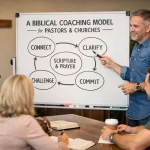
Biblical Coaching: A Sustainable Pastoral Model for Disciple Formation
Pastoral ministry frequently places leaders at the intersection of spiritual need, emotional struggle, and practical life guidance. For many ministers, the expectation to function as a full time biblical counselor creates an unsustainable burden that can distract from core pastoral responsibilities such as preaching, discipling, and evangelizing. While biblical counseling has an honorable place in ministry, Scripture itself more consistently presents pastoral leaders as equippers who guide believers toward maturity rather than as professional therapists who resolve every personal crisis. The New Testament model emphasizes discipleship, instruction, exhortation, and accountability within the body of Christ.
A more biblically balanced framework is therefore the concept of the Biblical Coach. This approach reframes pastoral care from a therapeutic model toward a discipleship oriented process that helps believers grow in obedience to Christ. The role of a biblical coach is not to diagnose psychological conditions or to manage every personal crisis. Instead, the coach walks alongside believers, helping them apply the truth of Scripture to real life decisions, spiritual disciplines, and patterns of obedience. This model preserves pastoral authority while avoiding the unrealistic expectation that ministers must function as licensed counselors.
Evangelical theology consistently affirms that the Word of God is the primary instrument of spiritual transformation. James P. Boyce argued that theology exists as a practical discipline that explains the doctrines revealed in Scripture and applies them to the life of the believer. The biblical coach operates from this same conviction. The goal is not merely emotional relief but spiritual formation through obedience to God’s revealed truth. When pastors embrace the role of biblical coach, they align their ministry with the New Testament vision of equipping the saints for the work of ministry. This approach distributes care across the body of Christ and encourages believers to take responsibility for their own spiritual growth.
The Biblical Distinction Between Counseling and Coaching
Modern culture tends to frame personal problems primarily in therapeutic categories. Within that framework, counseling is often expected to provide diagnosis, treatment, and long term emotional support. While some situations require professional counseling or medical treatment, the majority of pastoral conversations involve spiritual guidance, discipleship, and biblical wisdom.
The biblical coach model recognizes this distinction. Counseling typically addresses psychological trauma, clinical disorders, or deep emotional crises. Coaching focuses on growth, accountability, and forward movement toward spiritual maturity. Pastors therefore function most effectively when they operate as coaches who guide believers toward biblical obedience rather than attempting to resolve every psychological issue themselves. Scripture repeatedly portrays ministry in this equipping role. Ephesians 4:11-12 teaches that Christ gave leaders to the church “to equip the saints for the work of ministry, for building up the body of Christ.” The emphasis falls not on the pastor performing every task but on preparing believers to grow and serve within the body. Coaching reflects this pattern because it trains individuals to apply Scripture personally rather than depending permanently upon pastoral intervention.
Biblical coaching also emphasizes the authority of Scripture in shaping life decisions. Exegesis, the careful interpretation of biblical texts, seeks to determine the author intended meaning that the Holy Spirit communicated through human authors. When pastors guide believers through Scripture and help them interpret its application to life situations, they function as biblical coaches who facilitate spiritual understanding and obedience. This distinction protects pastors from adopting responsibilities that belong to trained medical or psychological professionals. At the same time, it preserves the central pastoral task of teaching, shepherding, and discipling believers through the Word of God.
Reducing the Burden of Pastoral Counseling
Many pastors experience exhaustion because congregations expect them to provide unlimited counseling availability. This expectation often leads to emotional fatigue, reduced sermon preparation time, and neglect of personal spiritual health. A biblical coaching framework helps pastors manage this burden responsibly while still providing meaningful pastoral care.
First, pastors must establish clear ministry boundaries. Biblical leaders in the early church recognized the importance of prioritizing their calling. In Acts 6, the apostles delegated administrative responsibilities so they could devote themselves to prayer and the ministry of the Word. This example demonstrates that effective leadership requires clear prioritization rather than unlimited accessibility.
Second, ministers should cultivate trusted personal support. Every pastor needs mentors, fellow ministers, and mature believers who can provide counsel and encouragement. Ministry leaders are not immune to spiritual and emotional pressure. Healthy pastoral leadership includes accountability and mutual support within the broader body of Christ.
Third, churches benefit from developing referral networks for cases that exceed pastoral expertise. Certain circumstances involve trauma, abuse, addiction, or severe psychological distress that require professional intervention. In such situations, referring individuals to qualified Christian counselors allows pastors to maintain appropriate boundaries while ensuring individuals receive specialized care.
Fourth, churches should train mature believers to assist in discipleship and coaching roles. The New Testament describes ministry as a shared responsibility among the members of the body of Christ. When pastors equip small group leaders, mentors, and lay ministers, the church develops a distributed model of care that reflects biblical community.
Finally, pastoral self care must be recognized as a spiritual discipline rather than a luxury. Regular Sabbath rest, personal prayer, and time for family are essential for sustaining long term ministry. A pastor who is spiritually exhausted cannot effectively shepherd others.
Building a Culture of Discipleship Through Coaching
The biblical coach model does more than relieve pastoral pressure. It also transforms the culture of the church from passive dependency into active discipleship. When believers learn to apply Scripture personally, they become participants in the mission of Christ rather than consumers of pastoral services. Biblical coaching encourages believers to engage Scripture with intentionality. Resources such as topical study tools and doctrinal guides help believers trace biblical themes and apply them to life situations. For example, organized topical references assist students of Scripture in identifying passages related to specific spiritual issues and doctrinal questions. This type of structured study strengthens personal understanding and encourages believers to interpret Scripture responsibly.
Coaching also emphasizes accountability within Christian community. Growth rarely occurs in isolation. Through regular conversations, prayer, and scriptural reflection, believers learn to evaluate their actions in light of biblical truth. This process cultivates maturity, humility, and perseverance in the Christian life. Furthermore, biblical coaching reinforces the missionary nature of the church. When believers grow in spiritual maturity, they naturally become witnesses in their workplaces, families, and communities. Disciples who understand Scripture and practice obedience are far more effective ambassadors for the gospel than individuals who remain dependent upon pastoral intervention. This model aligns with the Great Commission mandate to make disciples of all nations. The pastor’s responsibility is not simply to manage the spiritual struggles of the congregation but to equip believers to follow Christ and help others do the same.
Implementing the Biblical Coach Model in Local Churches
Churches that adopt the biblical coaching framework typically begin by redefining pastoral expectations. Leaders communicate clearly that pastoral meetings focus on scriptural guidance, discipleship, and accountability rather than long term therapeutic counseling. This clarification protects both the pastor and the congregation from unrealistic assumptions about the pastoral role.
Training is also essential. Pastors should equip small group leaders, mentors, and ministry leaders with basic coaching principles rooted in Scripture. These leaders learn how to ask reflective questions, guide believers toward biblical passages, and encourage practical steps of obedience. The goal is not to create amateur therapists but to develop mature believers who can support one another in discipleship. Churches may also establish structured coaching pathways. New believers can be paired with mature mentors who guide them through foundational doctrines, spiritual disciplines, and practical Christian living. Couples, young adults, and ministry volunteers can participate in focused discipleship relationships that emphasize spiritual growth and accountability.
Technology can also extend coaching relationships beyond traditional meetings. Digital communication platforms allow ministers and mentors to maintain consistent contact, share Scripture, and encourage believers throughout the week. Research into modern discipleship strategies indicates that digital engagement can effectively support relational mentoring when guided by clear leadership principles. Ultimately, the biblical coaching model restores a New Testament vision of pastoral leadership. The pastor remains a shepherd and teacher who guides the flock through Scripture. However, the entire church participates in the work of discipleship. When ministry leaders adopt this framework, pastoral care becomes sustainable, congregations grow in spiritual maturity, and the church fulfills its mission to equip believers for faithful service in the world.
References
Boyce, James P. Abstract of Systematic Theology. Grand Rapids, MI: Christian Classics Ethereal Library.
Mooney, Michael P. Smart Discipleship: Applying Transformational Leadership to a Discipleship Model of Worship. Capella University.
Smith, Kevin Gary. How to Do an Exegetical Study.
Torrey, R. A. New Topical Textbook.
Grudem, Wayne. Systematic Theology: An Introduction to Biblical Doctrine. Zondervan.
Fee, Gordon, and Douglas Stuart. How to Read the Bible for All Its Worth. Zondervan.